
Doomscrolling is quietly killing our creative process. Despite what recent polls might suggest, “scrolling” remains a dominant leisure activity, with some users spending an average of two days per week—or up to five hours a day—trawling through digital feeds. We consume content like a decadent dessert, but is more like digital rot.
Constant consumption doesn’t just waste time; it amplifies mental health struggles and blocks our creative flow. To heal and protect our work, we must first understand the damage.
Five Ways Doomscrolling Rots Your Creative Brain
Doomscrolling is the fast food of digital consumption. Like your favourite burger and fries, or chicken tenders, doomscrolling tastes great and gives the illusion of appetite satisfaction. If not consumed in moderation it can be unhealthy and here are five ways doomscrolling harms our mental health.
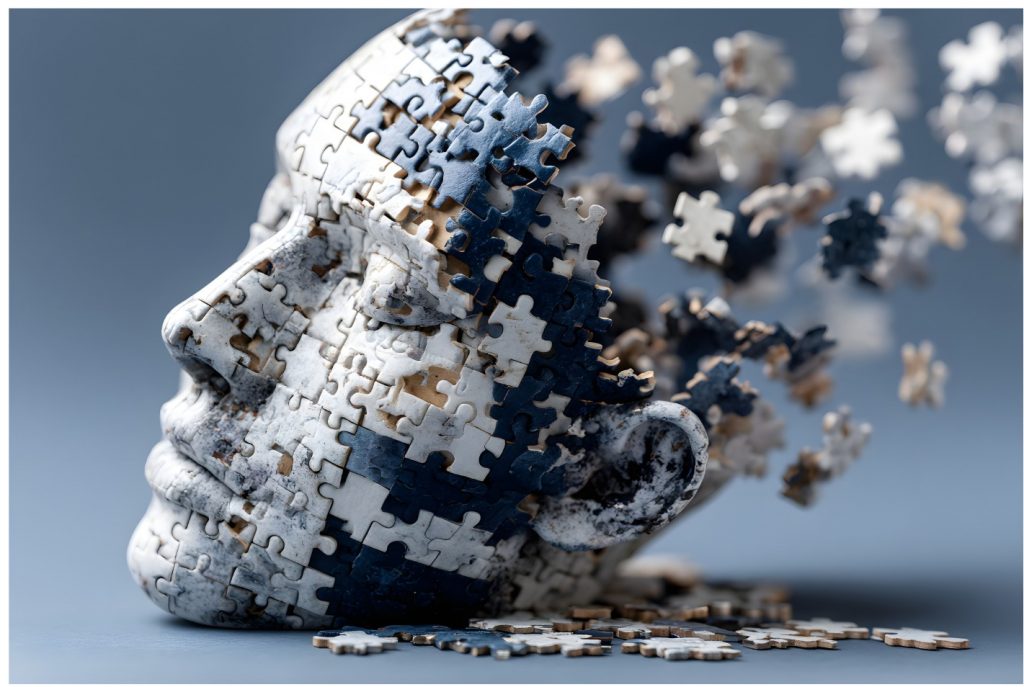
- The Erosion of Attention Spans Short-form content (TikToks, Reels, Shorts) trains the brain to crave a dopamine hit every 15–30 seconds. When you attempt a “slow” task—like reading a book or drafting an article on the dangers of doomscrolling—your brain rebels because the rewards aren’t fast enough.
- The Cycle of Anxiety and Depression Doom-scrolling often centres on “outrage porn” or tragedy. Constant exposure to global crises and the “perfect” lives of influencers creates a double-edged sword: the paralysing fear that the world is ending and the depressing feeling that your own life is inadequate.
- The “Time Sink” Phenomenon Digital platforms are engineered with “infinite scrolls” with no natural stopping points. Five minutes easily morphs into two hours of “stolen time.” This usually comes at the expense of sleep or recovery, leaving you more exhausted than when you started.
- The Illusion of Information We often justify the habit as “staying informed.” In reality, we are usually consuming “junk info”—contextless headlines and surface-level opinions. It provides the fleeting sensation of learning without the actual retention of knowledge.
- The Death of “Deep Work” Doomscrolling is the ultimate procrastination tool. It offers a low-effort escape from difficult, vital tasks. You might start “researching” a topic, only to find yourself an hour deep into ‘Friends outtakes.’ By the time you look up, your cognitive energy is depleted, making it nearly impossible to start the work that actually matters.
Reclaiming the Flow
The damage is real, but not permanent. Recognising these patterns helps build a “digital fence” around our creativity. Our focus is restored, unblocking the flow that constant consumption has stifled. I’ve carried out some research to understand the problem, to help kill the habit and get back on the creative track. The main goal is to make social media a tool rather than a trap using more “Mindful Consumption” behaviour.
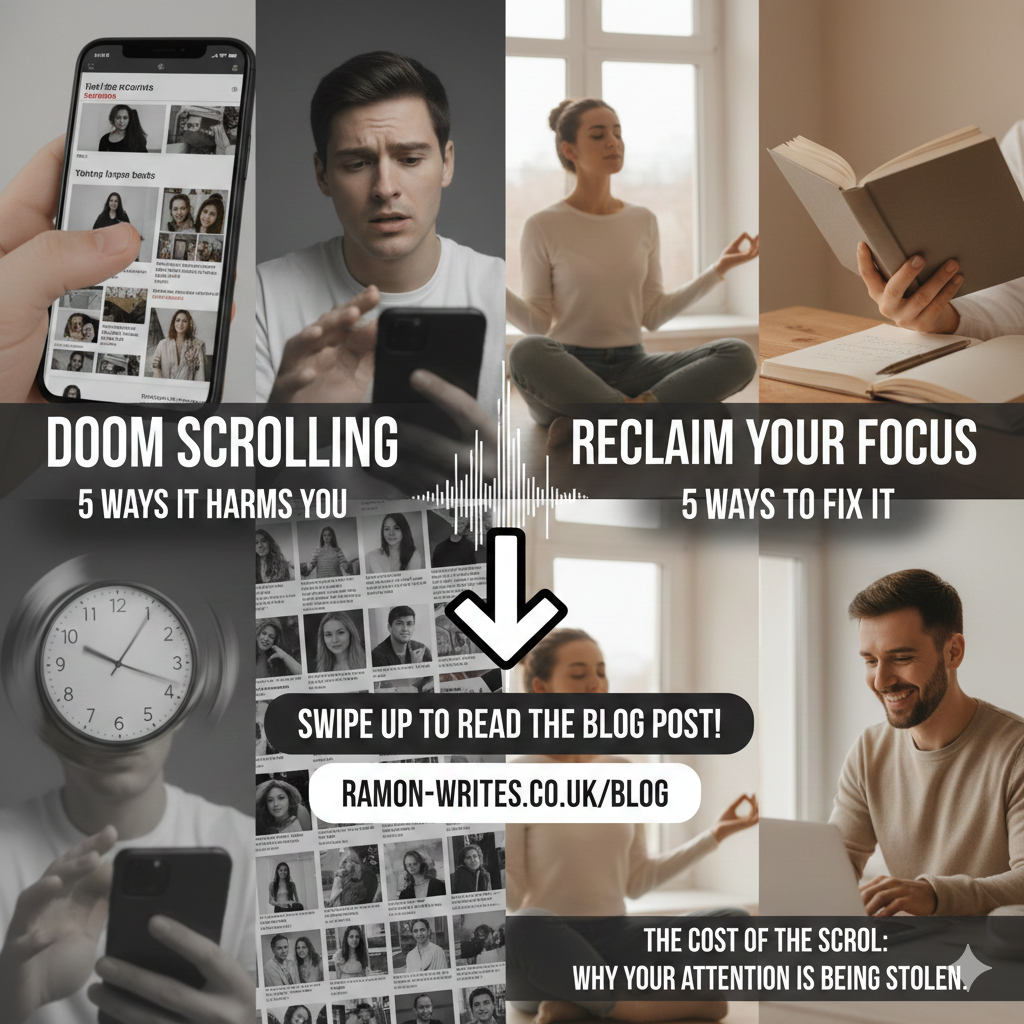
1. Use “Batching” Instead of “Bleeding” Time like money is a budget. Just as you set aside finances for different spends, time should be saved and put aside for different activities. Instead of checking Reels every time you have 30 seconds of boredom (the “bleeding” of time), set aside time for ‘Digital Leisure’. Diarise two 15 minute time blocks for digital consumption and set a timer. Once the timer goes off, close the app. This restores the boundary between work and play.
2. Curate a “Strictly Educational” Feed The algorithm feeds you what you engage with. Force-train your algorithm by “liking” only content that is educational (cooking tips, coding, fitness, language). If a video makes you feel angry or envious, hit “Not Interested” immediately and move on. Turn your feed into a digital classroom safe from ‘rage bait’ rather than a digital colosseum.
3. Move from “Passive” to “Active” Consumption Avoid scrolling without a purpose. If you are watching Reels, ask yourself “What am I looking for?” (e.g., “I want 3 recipe ideas” or “I want to see what my friends are up to”). Once that goal is met, exit, stage left. Active consumption prevents the “trance” state and starves the dopamine need.
4. The “Gray-Scale” or “No-Audio” Barrier Our brains are attracted to the bright colors and catchy audio of short-term content. By turning your phone to grayscale (in accessibility settings) or keeping the audio off by default, you strip away the “super-stimuli” that makes these apps addictive. You’ll find you get bored much faster and move to something more usefully stimulating like a good book.
5. Switch to “Long-Form” First Make a rule: No short-form content until you have consumed 20 minutes of long-form content (a podcast, a long-read article, or a book). This “primes” your brain for a longer attention span and makes the “fast-food” content of Reels feel less satisfying by comparison.
Conclusion: Reclaiming Your Creative Sovereignty
The “infinite scroll” is an unhealthy one-way street: it takes up your time and gives nothing but exhaustion in return. The path to recovery isn’t about deleting the internet entirely but rather reclaiming your sovereignty over your own attention.
Implementing these five strategies will help set digital boundaries prioritizing “slow” consumption. You not only save time but save your ability to think deeply, feel authentically, and create original work. Your creative flow is a finite resource and deserves to be protected. By shielding your mind from the digital noise it can be used for what truly matters: your voice, your art, and your peace of mind.
Latest Blog Posts
Stay informed and inspired with our latest blog posts. Discover insights, tips, and trends across various topics.
-
The Weight of the Shield
ARCHIVE ENTRY: 1754-NY-01 PROJECT: FRONTIER STABILITY FILE TITLE: To Guard the Pale Fire CURATOR’S NOTE: Natalie finds…
-
Who are The Aegis Collective?
Are you wondering how Natalie’s bunker was built and who was responsible? Well, things don’t…
-
The Curator of Silence: Introducing Natalie
‘Apertures of the Void’, is more than a collection of speculative fiction; it’s an exploration…
